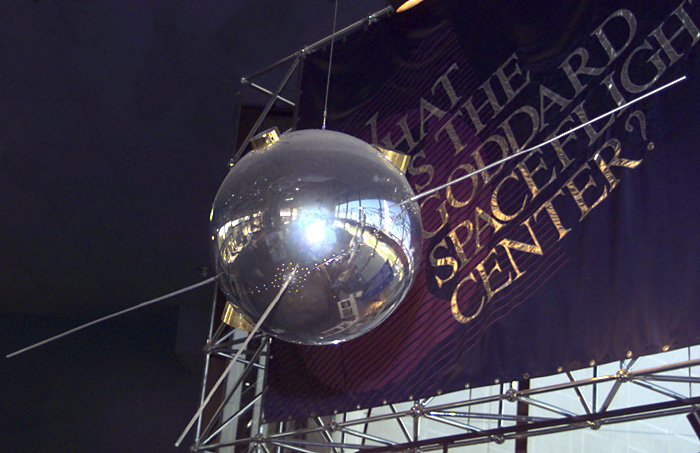
The Humanity Star is a small sphere about 3 feet (1 meter) in diameter. It’s designed to reflect sunlight from its 65 panels, much like the Iridium satellites reflect light from their flat panels (called Iridium flares). But while Iridium flares are unintentional, the Humanity Star’s reflections are meant to act as a sort of interactive space art piece, with the goal of not only encouraging a sense of planetary community, but also instilling a sense of wonder about the night sky.

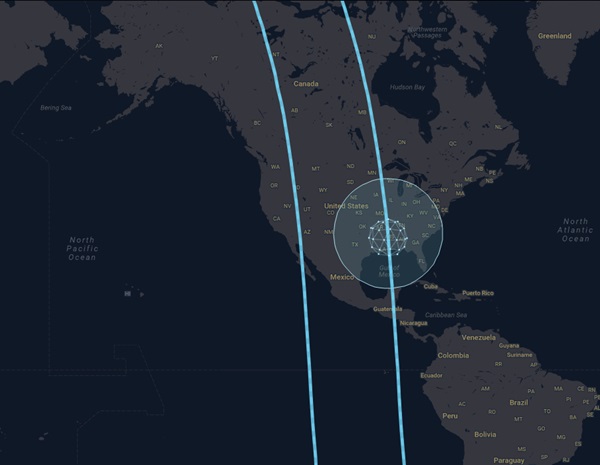
After its nine months are up, the satellite’s orbit will have decayed to the point where atmospheric drag slows it down and Earth’s gravity will cause it to de-orbit. The small, reflective sphere will burn up completely on re-entry. And during those nine months, the Humanity Star’s wide-coverage orbit means it’s only visible from any one place on the planet a few times, so if you see that it’s visible from your location, get out and look skyward to take part in this unique, yet global, experience.