Key Takeaways:
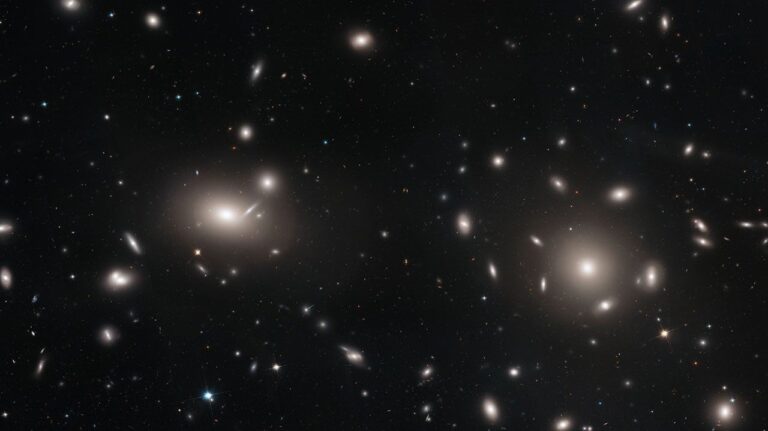
- The observable universe is defined as the region from which light has reached us since the Big Bang, while the multiverse encompasses this observable region and all space beyond it.
- "Bubble universes," a prediction of cosmological inflationary theory, are rapidly expanding regions of space located at immense distances, potentially containing observers.
- Future collisions between our observable universe and a bubble universe are anticipated on cosmological timescales (tens of billions of years or more), with any such event progressing at the speed of light and concurrently destroying our habitat upon observation.
- It is also possible that our observable universe experienced past collisions, leaving relics within the cosmic microwave background (CMB) radiation, an area of active research.
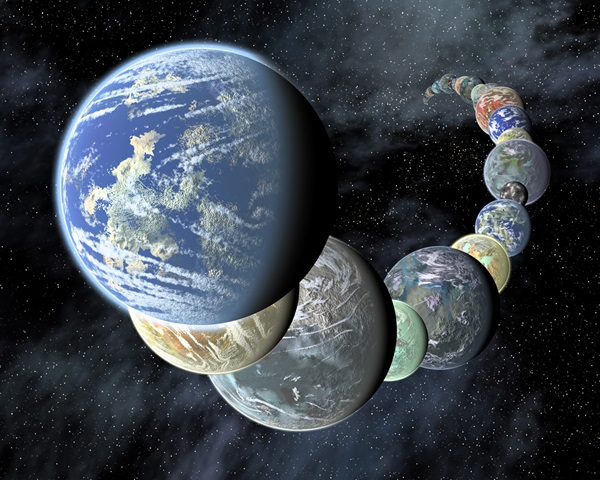
One of the most common meanings of “other universes” is “bubble universes” predicted by cosmological inflationary theory. They are regions of space where inflation was particularly successful, and these regions grow extremely fast. These bubble universes may have observers much like ours, and typically they are at great distances from us (much larger than the radius of our observable universe, which is about 50 billion light-years).
Any future collision between our observable universe and a bubble universe will presumably happen on cosmological timescales — tens of billions of years or longer. So we shouldn’t expect a collision to happen next month. In fact, we hope it won’t because the collision would progress with the speed of light and destroy our habitat at the same instant we would see it.
However, it is also possible that our observable universe collided with another bubble universe in the past. If that’s the case, the cosmic microwave background (CMB) radiation may well hold relics of such a collision. Predicting the form of these relics and searching for them in the CMB is an area of current research. — Dragan Huterer, University of Michigan, Ann Arbor